
How Wimboku Brings Filmmakers and Musicians Together to Create Magic
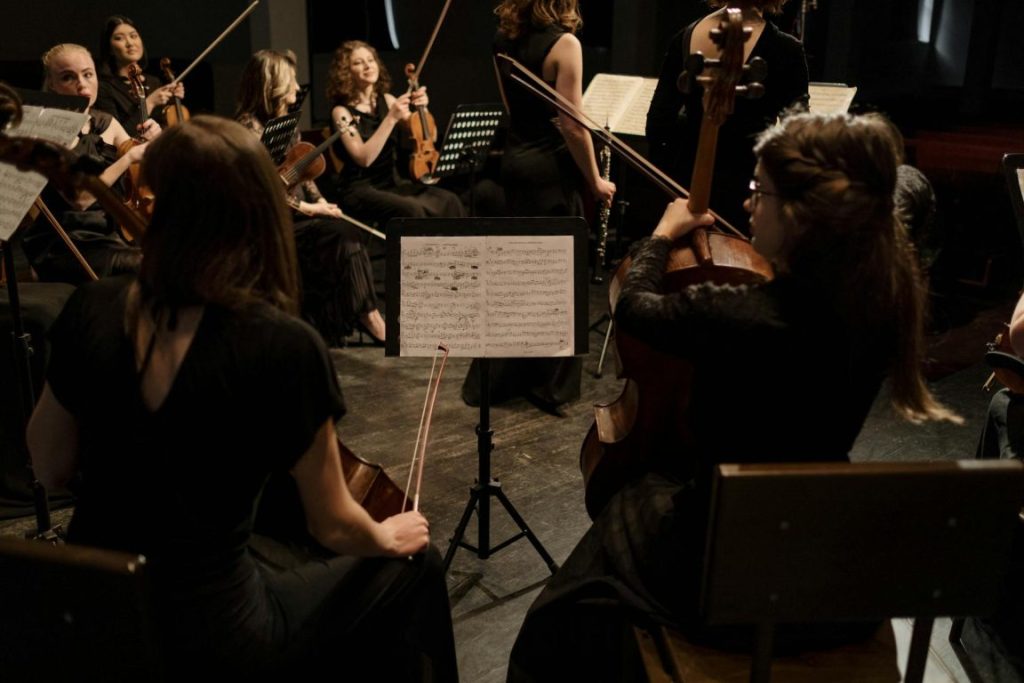
In the creative industries, collaboration has always been at the heart of innovation. When musicians and filmmakers come together, the possibilities are endless—especially when they can harness the power of collective creativity. Enter Wimboku, a platform that is redefining the way music and film intersect, turning collaboration into a thrilling and dynamic process.
Much like the successful model of Wazoku.com, Wimboku offers a fresh approach by presenting challenges as opportunities for musicians and filmmakers to collaborate. These challenges aren’t just about competing—it’s about working together to create something beautiful, unique, and impactful.
What is Wimboku?
Wimboku is an innovative platform designed to bring together filmmakers and musicians to co-create music and soundtracks for film projects. By creating a space where filmmakers can post specific challenges—whether it’s for a short film, documentary, or feature-length project—Wimboku allows musicians to respond with their compositions, often working in a crowd or band environment. This collaborative model ensures that the final product reflects the diverse talents and ideas of everyone involved.
Instead of filmmakers having to find a composer through traditional channels, or music authors submitting their work blindly, Wimboku creates a shared space where both sides can come together, brainstorm, and innovate.
How Do the Challenges Work?
The platform offers an exciting new way for filmmakers to interact with musicians through challenges—a collaborative competition, of sorts. Filmmakers set the stage by describing their project’s needs, whether it’s a dramatic orchestral score for an intense scene or an electronic soundtrack for a fast-paced thriller. Musicians, composers, and sound designers can then respond to these challenges by submitting their music or sound concepts.
But here’s where the magic happens: instead of working alone, musicians often join together to form a band or crowd to deliver their vision. This can mean anything from a group of composers each working on different scenes of the same film, to a collective of musicians blending their unique sounds to create a cohesive score that fits the filmmaker’s vision.
Benefits of Collaboration in the Wimboku Community
1. Collective Creativity
Wimboku taps into the power of collective creativity. By opening up the opportunity for a band of musicians to work together, the result is often something far more innovative and unexpected than a solo project. Ideas are shared, skills are honed, and new musical techniques are explored. Filmmakers benefit from this fresh perspective, while musicians get the chance to collaborate and learn from each other.
2. Diverse Musical Styles
Wimboku allows filmmakers to experience a broad spectrum of musical styles and genres. Whether it’s a jazz-infused score, an ambient electronic track, or an epic orchestral piece, the diversity of responses from musicians ensures that the final music aligns with the unique tone and theme of the film. This diversity allows for a more customized and tailored soundtrack than ever before.
3. Cross-Disciplinary Innovation
When filmmakers and musicians collaborate through Wimboku, the possibilities for cross-disciplinary innovation are endless. Filmmakers may bring in visual elements or editing techniques that inspire musicians to push the boundaries of sound design. Similarly, musicians can present innovative musical ideas that change the way filmmakers approach storytelling through sound. This synergy is what makes the Wimboku platform so unique—it fosters collaboration that goes beyond simple exchanges of ideas and into the realm of true artistic fusion.
4. Access to Talent
For musicians, one of the biggest challenges is accessing film industry opportunities. Wimboku breaks down this barrier by offering direct access to filmmakers who need music for their projects. On the other side, filmmakers gain access to a vast pool of talented musicians from all over the world, opening up a world of possibilities without the need for expensive hiring processes or lengthy searches for the perfect fit.
5. Increased Visibility and Opportunities
For both musicians and filmmakers, participating in Wimboku’s challenges can be a launchpad for future projects. Musicians can gain visibility in the industry and build a portfolio of work tied to real film projects, while filmmakers can discover up-and-coming talent that may otherwise be out of reach. As musicians collaborate and contribute to more projects, they become part of an ever-growing community, creating a reputation for themselves in the world of film scoring.
The Impact of Wimboku: Collaboration on a Global Scale
By breaking down geographical, social, and economic barriers, Wimboku empowers musicians from all corners of the globe to collaborate with filmmakers from different cultural and artistic backgrounds. This level of diversity not only enriches the creative process but also fosters a global community of innovators who are shaping the future of film scoring.
For filmmakers, this is an invaluable opportunity to tap into the global creativity of musicians who might bring something entirely new and unexpected to the table. For musicians, the platform offers a chance to break into the film industry and gain recognition for their unique sound, no matter where they are located.
Wrapping Up
Wimboku is much more than just a platform for musicians and filmmakers—it’s a collaborative ecosystem where creativity flows freely, and partnerships are formed around challenges. Whether you’re a filmmaker in need of an inspiring soundtrack or a music author eager to collaborate on an exciting project, Wimboku offers a unique space to connect, collaborate, and create.
The future of film music lies in collaboration, and with platforms like Wimboku, Collaboration Magic is no longer just a dream—it’s a reality.


 Wimboku